
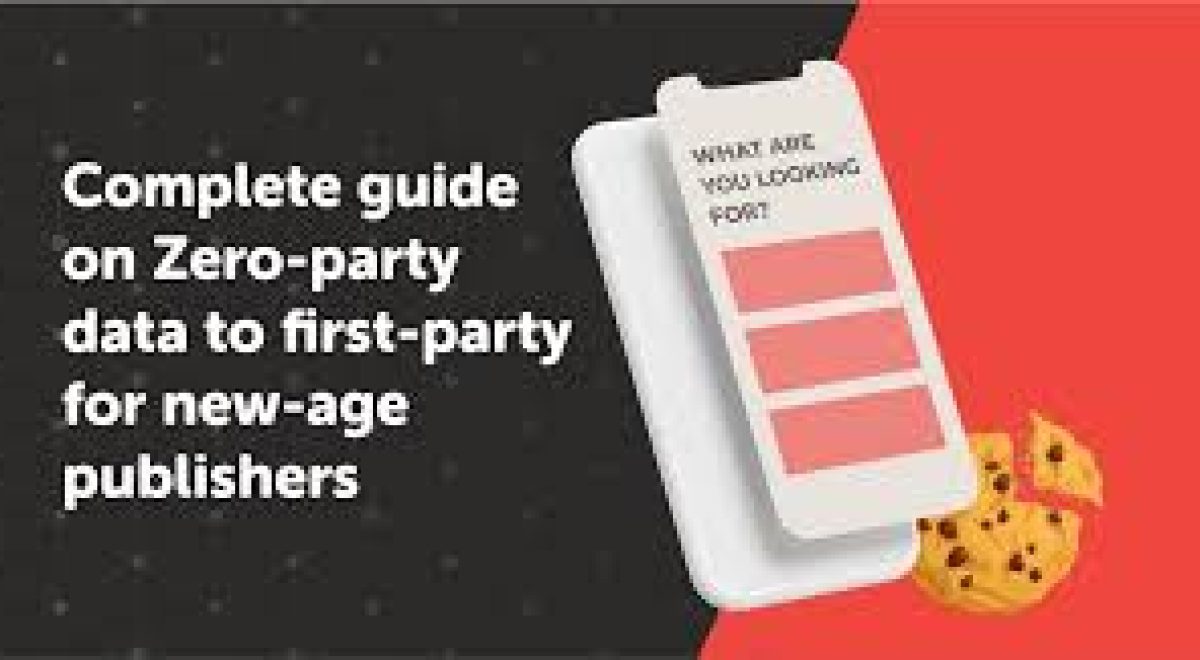
Zero-Party Data in Marketing 2026
Zero-Party Data in Marketing 2026 is becoming one of the most important strategies in modern digital marketing. As privacy laws tighten and third-party cookies disappear, businesses are shifting toward a more transparent and trust-based data collection method—zero-party data.
Unlike traditional data collection methods, zero-party data is information that customers intentionally and proactively share with a brand. This includes preferences, purchase intentions, feedback, and personal interests.
In 2026, brands that rely on zero-party data are building stronger relationships, improving personalization, and gaining higher customer trust.
📊 What Is Zero-Party Data?
Zero-party data is data that customers voluntarily provide to businesses.
🔹 Examples:
- Product preferences
- Style choices
- Purchase intentions
- Survey responses
- Feedback forms
- Quiz results
👉 The key difference is consent and intention—customers choose to share it.
🔐 Why Zero-Party Data Matters in 2026
The digital marketing landscape is changing rapidly due to privacy concerns and regulations.
🔥 Key Reasons:
- Third-party cookies are being removed
- Customers demand privacy and transparency
- Data protection laws are stricter
- Trust has become a competitive advantage
According to marketing research trends, over 80% of consumers prefer brands that respect their privacy and allow voluntary data sharing.
👉 This shift is making zero-party data the future of marketing.
🤝 Zero-Party Data vs First-Party Data
Understanding the difference is important.
🔹 First-Party Data:
Collected from user behavior:
- Website visits
- Purchase history
- App usage
🔹 Zero-Party Data:
Directly provided by users:
- Surveys
- Preferences
- Intentions
👉 Zero-party data is more accurate because customers explicitly tell you what they want.
📈 How Zero-Party Data Improves Marketing
Zero-party data allows businesses to create highly personalized experiences.
🔹 Benefits:
- Better product recommendations
- Higher conversion rates
- Improved customer loyalty
- Stronger brand trust
When customers feel understood, they are more likely to buy and stay loyal.
🧠 The Psychology Behind Zero-Party Data
Zero-party data works because it is based on trust and participation.
🔹 Psychological Factors:
- Customers feel in control
- Increased transparency builds trust
- Personalized experiences create emotional connection
👉 When users willingly share data, they are more engaged with the brand.
🛒 Role of Zero-Party Data in E-Commerce
E-commerce businesses are using zero-party data to improve sales.
🔹 Examples:
- Style quizzes (“What is your fashion style?”)
- Product preference forms
- Personalized shopping experiences
👉 This leads to:
- Higher conversion rates
- Reduced cart abandonment
- Better customer satisfaction
📱 Zero-Party Data and Mobile Marketing
Mobile platforms are key in collecting zero-party data.
🔹 Methods:
- Interactive surveys on apps
- WhatsApp feedback forms
- SMS preference collection
- Mobile quizzes
👉 Mobile-first strategies make data collection faster and easier.
🤖 Technology Powering Zero-Party Data
Modern technology plays a big role in collecting and using zero-party data.
🔹 Key Tools:
- AI personalization engines
- CRM systems
- Marketing automation tools
- Chatbots and surveys
These tools help businesses:
- Collect data ethically
- Analyze customer behavior
- Deliver personalized content
🔥 How Brands Build Trust Using Zero-Party Data
Trust is the foundation of zero-party data marketing.
🔹 Strategies:
- Be transparent about data usage
- Offer value in exchange for data
- Avoid hidden tracking
- Give customers control over preferences
👉 Trust leads to long-term customer relationships.
🌍 Zero-Party Data in Africa (Ethiopia & Somalia)
In Africa, digital marketing is growing fast, and trust-based marketing is becoming essential.
🔹 Opportunities:
- WhatsApp-based surveys
- Mobile money integration insights
- Social media engagement polls
👉 Businesses that use zero-party data early will gain a strong advantage.
📊 Challenges of Zero-Party Data
While powerful, it also has challenges.
🔹 Challenges:
- Requires customer participation
- Needs strong user engagement
- Data collection must be well-designed
👉 Businesses must create value to encourage sharing.
🔮 Future of Zero-Party Data in 2026 and Beyond
Zero-party data is expected to dominate the future of digital marketing.
🔹 Future Trends:
- AI-driven personalization based on user input
- Real-time customization of websites
- Voice-based data collection
- Interactive marketing experiences
👉 The future is fully customer-driven marketing.
💡 How Businesses Can Use Zero-Party Data Effectively
✔ Create interactive quizzes
✔ Use preference forms
✔ Offer personalized discounts
✔ Build trust through transparency
✔ Integrate AI tools for automation
🔗 INTERNAL LINKS
- https://kawtharumal.com/how-to-make-money-online-in-ethiopia-somalia-2026/
- https://kawtharumal.com/top-marketing-trends-2026-you-cant-afford-to-ignore/
- https://kawtharumal.com/how-to-start-digital-marketing-with-zero-budget-complete-guide/
- https://kawtharumal.com/how-to-start-a-career-in-technology-with-no-experience-2026-step-by-step-guide/
- https://kawtharumal.com/cloud-computing-2026/
🌍 EXTERNAL LINKS
- https://www.gartner.com/en/articles/future-of-marketing
- https://www.forbes.com/sites/forbesagencycouncil/zero-party-data-marketing
- https://www.adobe.com/experience-cloud/zero-party-data.html
- https://www.hubspot.com/marketing-statistics
- https://www.wordstream.com/blog/data-driven-marketing
❓ FAQs
1. What is zero-party data in marketing?
Zero-party data is information customers intentionally share with a brand, such as preferences and intentions.
2. Why is zero-party data important in 2026?
It builds trust, improves personalization, and replaces third-party cookies.
3. How is zero-party data collected?
Through surveys, quizzes, forms, and direct customer interactions.
4. Is zero-party data better than first-party data?
Yes, because it is more accurate and directly provided by users.
5. How can small businesses use zero-party data?
By using simple forms, WhatsApp engagement, and feedback systems.
✅ CONCLUSION
Zero-Party Data in Marketing 2026 is reshaping how businesses connect with customers. By focusing on trust, transparency, and personalization, brands can build stronger relationships and improve marketing performance. In the future, businesses that prioritize customer-controlled data will lead the digital economy.