
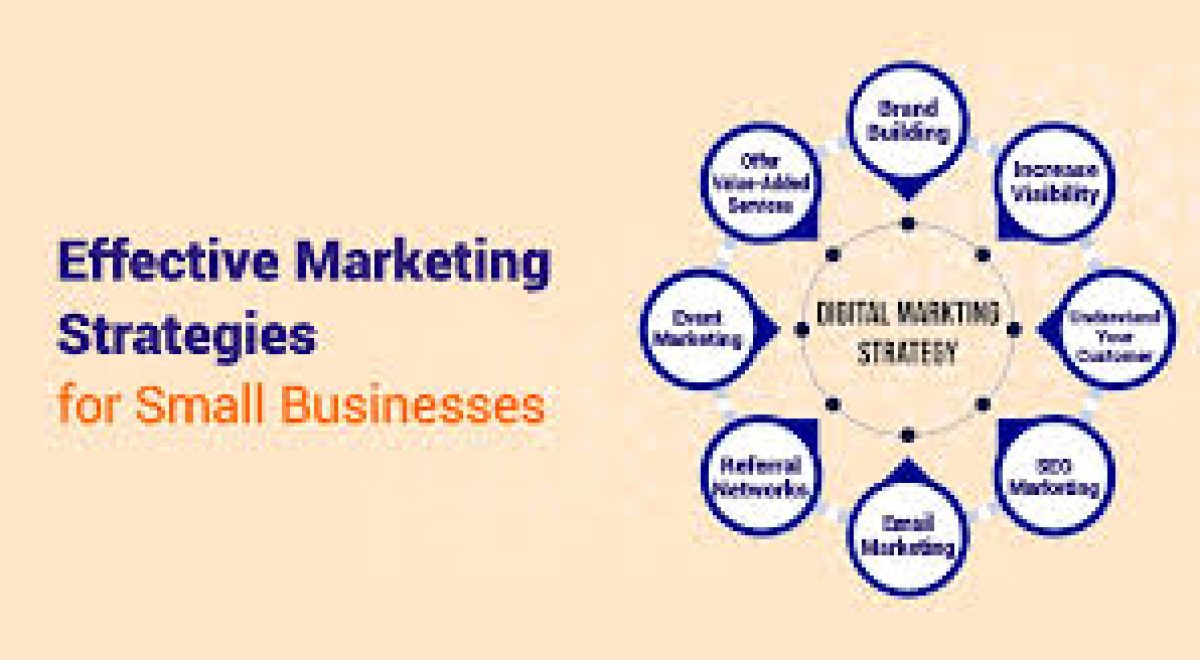
How to Create a Winning Marketing Strategy for Small Businesses (2026 Guide)
Creating a successful marketing strategy is one of the most important steps for any small business. Without a clear plan, businesses struggle to attract customers, increase sales, and compete in the market. In fact, poor marketing is one of the main reasons small businesses fail.
In this guide, you’ll learn how to build a powerful marketing strategy step by step to grow your business in 2026 and beyond.
What is a Marketing Strategy?
A marketing strategy is a plan that helps businesses reach their target audience, promote their products, and increase sales.
It includes:
- Understanding customers
- Setting clear goals
- Choosing the right marketing channels
- Delivering value to customers
A strong strategy gives direction and improves business performance significantly.
Why Marketing Strategy is Important for Small Businesses
Small businesses face challenges such as:
- Limited budget
- High competition
- Lack of marketing experience
Research shows that having a clear marketing strategy improves sales, growth, and competitive advantage.
🧩 Step-by-Step Guide to Creating a Winning Marketing Strategy
Step 1: Define Your Business Goals
Start by setting clear goals such as:
- Increase sales
- Get more customers
- Build brand awareness
Use SMART goals:
- Specific
- Measurable
- Achievable
- Relevant
- Time-bound
Step 2: Understand Your Target Audience
You must know your customers:
- Age, location, income
- Needs and problems
- Buying behavior
Small businesses succeed when they understand customer needs deeply.
Step 3: Analyze Your Competitors
Study competitors:
- What they do well
- Their pricing
- Their marketing channels
This helps you find gaps and opportunities.
Step 4: Use the 7Ps Marketing Mix
A winning strategy uses the 7Ps model:
- Product → What you sell
- Price → Cost strategy
- Place → Where you sell
- Promotion → Marketing methods
- People → Customer service
- Process → Delivery system
- Physical Evidence → Branding & trust
This framework is proven to improve business performance.
Step 5: Choose the Right Marketing Channels
Use a mix of:
🔹 Digital Marketing
- Social media (Facebook, TikTok)
- SEO (Google ranking)
- Email marketing
🔹 Traditional Marketing
- Word of mouth
- Flyers and banners
- Local advertising
Combining digital and traditional marketing gives better results.
Step 6: Create High-Quality Content
Content is key in 2026.
Create:
- Blog posts
- Videos
- Social media content
Focus on solving customer problems and providing value.
Step 7: Set a Budget
Decide how much you will spend on:
- Ads
- Tools
- Content creation
Small businesses must use resources efficiently.
Step 8: Track and Measure Results
Use tools like:
- Google Analytics
- Social media insights
Track:
- Website traffic
- Sales
- Conversion rate
Step 9: Adjust and Improve
Marketing is not one-time.
- Test different strategies
- Improve what works
- Remove what doesn’t
Successful businesses constantly adapt to market changes.
Common Mistakes to Avoid
Avoid these:
- No clear strategy
- Ignoring customers
- Using only one marketing channel
- Not tracking results
These mistakes lead to poor growth and low sales.
Future Trends in Marketing (2026)
Marketing is changing fast. Key trends include:
- AI-powered marketing
- Personalized content
- Video marketing growth
- Influencer marketing
Businesses that adapt early gain competitive advantage.
FAQ (SEO BOOST)
What is the best marketing strategy for small businesses?
A combination of digital marketing, customer understanding, and consistent content works best.
How can small businesses compete with big companies?
By focusing on niche markets, personalized service, and smart marketing strategies.
How much should a small business spend on marketing?
Typically 5–10% of revenue, depending on business goals.
Conclusion
Creating a winning marketing strategy is essential for small business success. By understanding your audience, choosing the right channels, and continuously improving your approach, you can grow your business and increase sales.
Start small, stay consistent, and focus on delivering value to your customers.
One Response